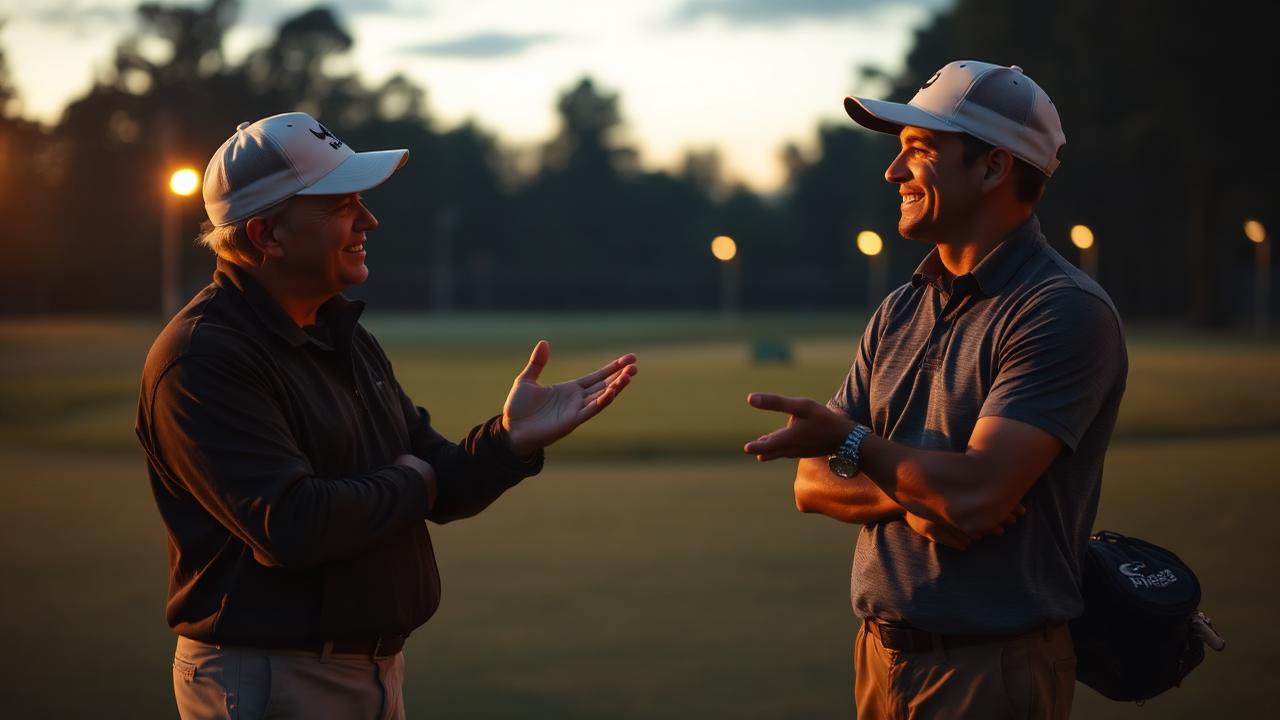
Why Environment Matters More Than Technique
I've watched talented golfers stall for years under coaches who made them feel stupid for asking questions. I've seen beginners quit the game entirely because their first lesson felt like a performance review. The environment a coach creates determines whether a student thrives or shuts down.
At Beyond Golf Performance, we believe the learning environment is the lesson. Before we talk about grip pressure or swing plane, we're building trust. Because a student who feels safe making mistakes will always out-learn a student who's afraid to fail.
Meeting Students Where They Are
Every student walks through the door with a different story. Some haven't played in years. Some are grinding for a college scholarship. Some just want to stop embarrassing themselves at the company outing. A good coach recognizes that and adjusts — not just the drills, but the tone, the pace, the expectations.
We start every relationship with a conversation, not a correction. What are your goals? What frustrates you? What does golf mean to you? Those answers shape everything that follows.
Encouragement Over Criticism
There's a difference between coaching and criticizing. Criticism focuses on what's wrong. Coaching focuses on what's next. When a student tops a 7-iron, the instinct for most coaches is to point out the fault. Our approach is different — we acknowledge the effort, identify one thing to adjust, and let them feel the improvement immediately.
Progress is built on small wins. A student who leaves a lesson feeling like they accomplished something will practice more, return sooner, and stay in the game longer. That's not soft coaching — that's smart coaching.
Creating Psychological Safety
Psychological safety is a concept borrowed from high-performance teams, and it applies directly to golf instruction. Students need to know they can hit bad shots without judgment. They need permission to experiment. They need to feel comfortable saying "I don't understand."
We create that safety through consistency, patience, and genuine investment in each student's journey. No eye rolls. No sighing. No comparisons to other students. Just focused, individualized attention.
The Ripple Effect
When a student feels good about their coaching experience, it changes their relationship with the game. They practice more because it feels rewarding, not punishing. They play more because the course feels like an extension of that positive environment. They bring friends because they want to share the experience.
That's the goal — not just better swings, but better golfers who love the game more than when they started.